

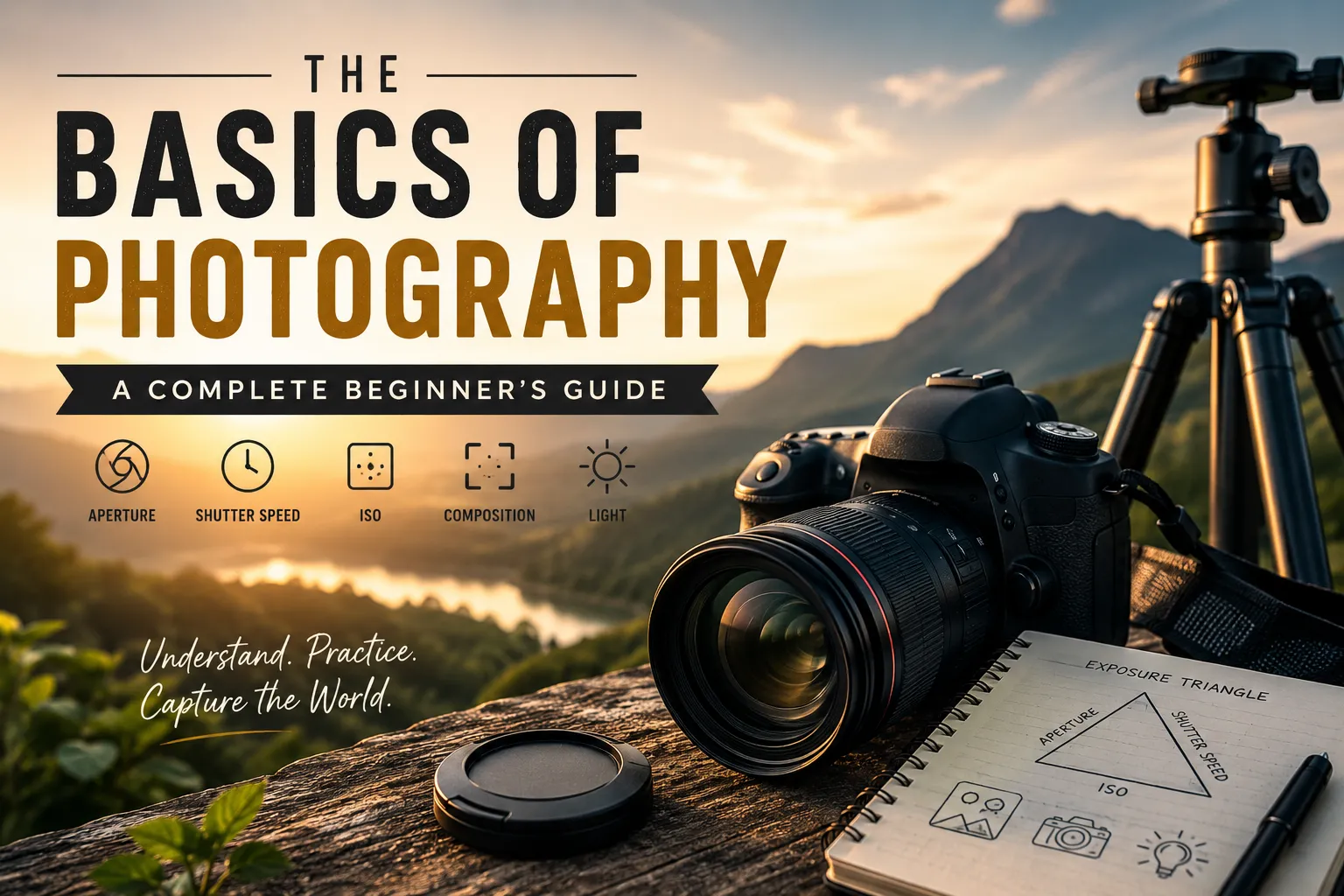
Photography is more than simply pressing a button on a camera. It is the art of capturing light, emotions, stories, and moments that can last forever. Whether you are using a professional DSLR, a mirrorless camera, or even a smartphone, understanding the basics of photography can completely transform the way you see and capture the world around you.
For beginners, photography may seem complicated because of technical terms, camera settings, and equipment. But the truth is, every great photographer started by learning the same fundamentals. Once you understand the basics, photography becomes an exciting journey of creativity and exploration.
In this article, we will explore the essential foundations of photography, including camera settings, composition, lighting, and practical tips that will help you take better photographs.
What is Photography?
Photography is the process of creating images by capturing light using a camera. The word “photography” comes from Greek words meaning “drawing with light.” Light is the most important element in photography because every image depends on how light interacts with the subject.
A good photograph is not only technically correct but also emotionally powerful. It can tell a story, capture a feeling, or preserve a memory forever.
Understanding Your Camera
Before learning advanced photography techniques, it is important to understand the basic parts of a camera and how they work together.
1. Camera Body
The camera body is the main part of the camera that controls settings and processes the image.
2. Lens
The lens controls how light enters the camera. Different lenses are used for different types of photography, such as wildlife, portrait, landscape, or street photography.
3. Sensor
The sensor captures the light and creates the image. Larger sensors usually provide better image quality and low-light performance.
4. Viewfinder or Screen
This helps you frame and compose your photograph before taking the shot.
The Exposure Triangle
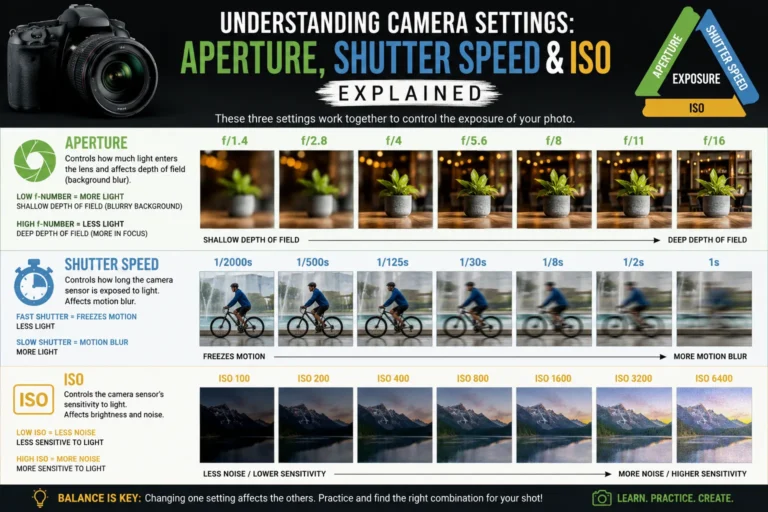
The exposure triangle is one of the most important concepts in photography. It consists of three settings that control the brightness and appearance of your image.
1. Aperture
Aperture controls how much light enters the lens. It is measured in f-numbers such as f/1.8, f/4, or f/16.
- A lower f-number means a wider aperture and more background blur.
- A higher f-number means a narrower aperture and greater sharpness throughout the image.
Example:
- Portrait photography often uses wide apertures like f/1.8 or f/2.8 for blurred backgrounds.
- Landscape photography usually uses f/8 to f/16 for maximum sharpness.
2. Shutter Speed
Shutter speed controls how long the camera sensor is exposed to light.
- Fast shutter speeds freeze motion.
- Slow shutter speeds create motion blur.
Example:
- Wildlife or sports photography may use 1/1000 sec or faster.
- Long exposure landscape photography may use several seconds.
3. ISO
ISO controls the camera sensor’s sensitivity to light.
- Low ISO produces cleaner images.
- High ISO helps in low light but may add noise or grain.
Example:
- ISO 100–200 for daylight.
- ISO 800 or higher for low-light situations.
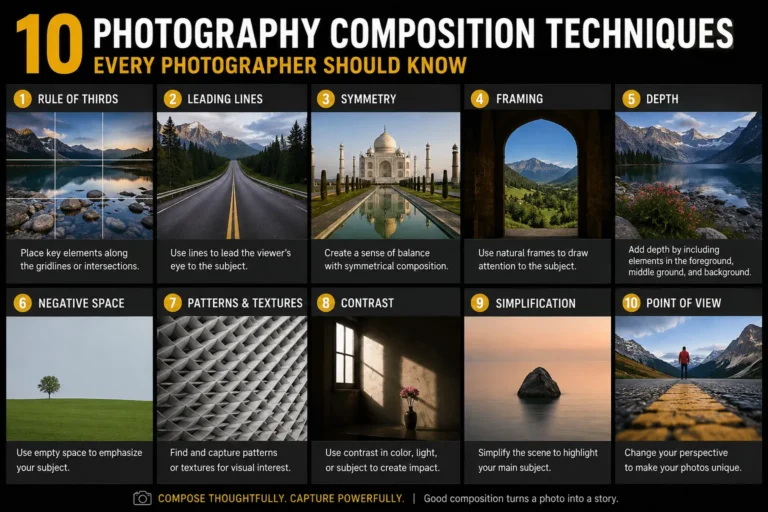
Composition: The Art of Framing
Composition refers to how elements are arranged inside a photograph. Good composition can make an ordinary scene look extraordinary.
Rule of Thirds
Imagine dividing your frame into nine equal parts using two vertical and two horizontal lines. Place your subject along these lines or intersections for a more balanced composition.
Leading Lines
Roads, rivers, fences, or pathways can guide the viewer’s eyes through the image.
Symmetry and Patterns
Symmetrical scenes and repeating patterns create visually satisfying photographs.
Framing
Use natural elements like windows, trees, or doors to frame your subject creatively.
Negative Space
Leaving space around the subject creates a clean and powerful composition.
Understanding Light in Photography
Light is the heart of photography. Learning to observe and use light effectively is one of the biggest skills a photographer can develop.
Natural Light
Sunlight is the most common source of light in photography.
Golden Hour
The golden hour occurs shortly after sunrise and before sunset. The light during this time is soft, warm, and ideal for photography.
Blue Hour
The blue hour happens just before sunrise or after sunset, creating cool and dreamy tones.
Harsh Midday Light
Strong sunlight during midday can create harsh shadows and high contrast.
Artificial Light
Artificial lighting includes studio lights, flash, lamps, or LEDs.
Focus and Sharpness
A sharp subject is important in many types of photography.
Autofocus
Most modern cameras have autofocus systems that help keep the subject sharp.
Manual Focus
Manual focus allows photographers to control focus precisely, especially in macro or low-light photography.
Tips for Sharp Images
- Use faster shutter speeds.
- Hold the camera steadily.
- Use a tripod when needed.
- Focus on the eyes in portraits.
Different Types of Photography
Photography has many exciting genres, and each one tells stories differently.
Wildlife Photography
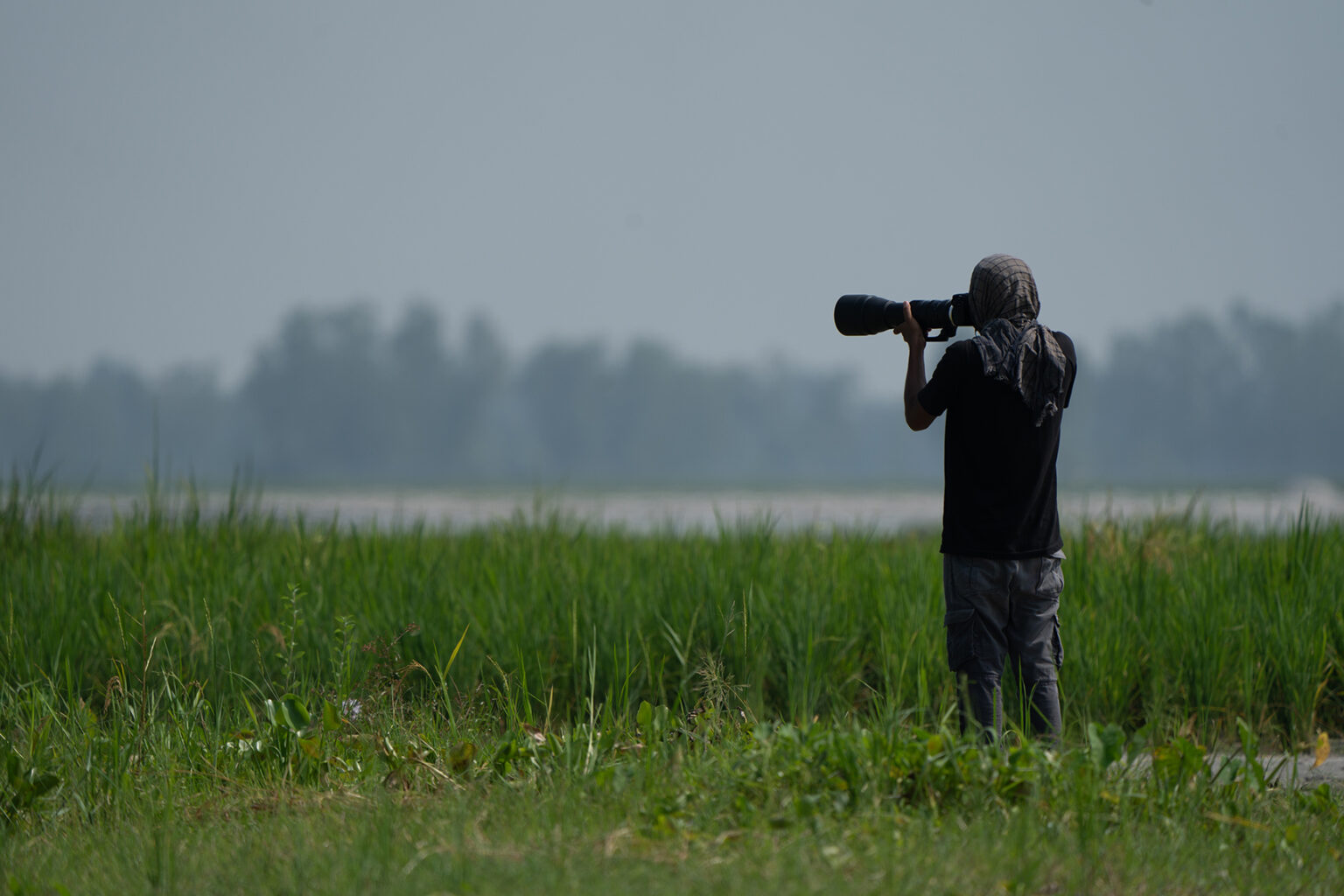
Capturing animals in their natural habitat requires patience, timing, and respect for nature.
Landscape Photography
Landscape photography focuses on nature, mountains, rivers, forests, and dramatic scenery.
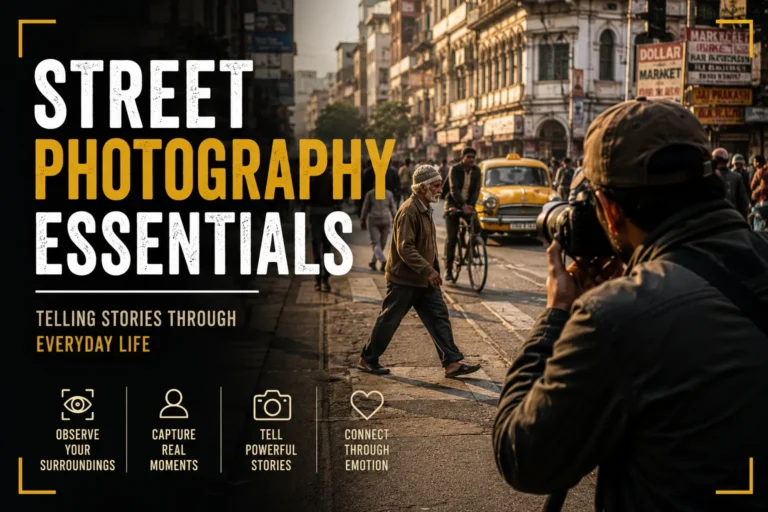
Street Photography
Street photography captures everyday life, human emotions, and urban culture.
Portrait Photography
Portrait photography focuses on people, emotions, and expressions.
Lifestyle Photography
Lifestyle photography captures real-life moments naturally and creatively.
Essential Photography Equipment
You do not need expensive gear to start photography. Understanding your equipment matters more than owning the most expensive camera.
Beginner Essentials
- Camera or smartphone
- Lens
- Extra battery
- Memory card
- Camera bag
- Tripod
Common Beginner Mistakes
Every beginner makes mistakes, and that is part of learning.
Shooting Without Understanding Light
Light can completely change the mood and quality of a photograph.
Overediting Photos
Too much editing can make photos look unnatural.
Ignoring Composition
Even technically perfect photos may feel boring without good composition.
Not Practising Enough
Photography improves with regular practice and experimentation.
Tips to Improve Your Photography
Practice Every Day
The more you shoot, the better you will understand your camera and develop your creative style.
Study Other Photographers
Learn from professional photographers and analyse their work.
Experiment with Angles
Try shooting from low, high, or unusual perspectives.
Be Patient
Great photography often requires waiting for the perfect light or moment.
Tell a Story
The best photographs create emotion and connection.
Editing and Post-Processing
Editing helps enhance your photographs while maintaining a natural look.
Popular editing software includes:
- Adobe Lightroom
- Adobe Photoshop
- Snapseed
- Capture One
Editing can improve:
- Exposure
- Contrast
- Colors
- Sharpness
- Cropping
Why Photography Matters
Photography is powerful because it preserves memories and emotions. A single image can inspire, educate, or tell stories that words cannot fully describe. It allows us to explore the world in a different way and appreciate moments we might otherwise overlook.
For many people, photography becomes more than a skill — it becomes a passion and a lifelong journey of creativity.
Final Thoughts
Photography is a beautiful blend of art, creativity, patience, and technical knowledge. You do not need to master everything overnight. Start with the basics, practice regularly, and enjoy the process of learning. Every photograph you take helps you grow as a photographer and teaches you to see the world in a new way.
Whether you love wildlife, landscapes, portraits, or street photography, the most important thing is to keep exploring and capturing the moments that inspire you. Photography is not only about taking pictures — it is about telling stories, preserving memories, and sharing your unique vision with the world.