

Landscape photography is the art of capturing the beauty of nature and the environment around us. From mountains and rivers to forests, oceans, and dramatic skies, landscape photography allows photographers to preserve breathtaking scenes and moments.
A great landscape photograph is not only visually beautiful but also emotionally powerful. It can make viewers feel calm, inspired, adventurous, or connected to nature.
Understanding Light
Light is one of the most important elements in landscape photography.
Golden Hour
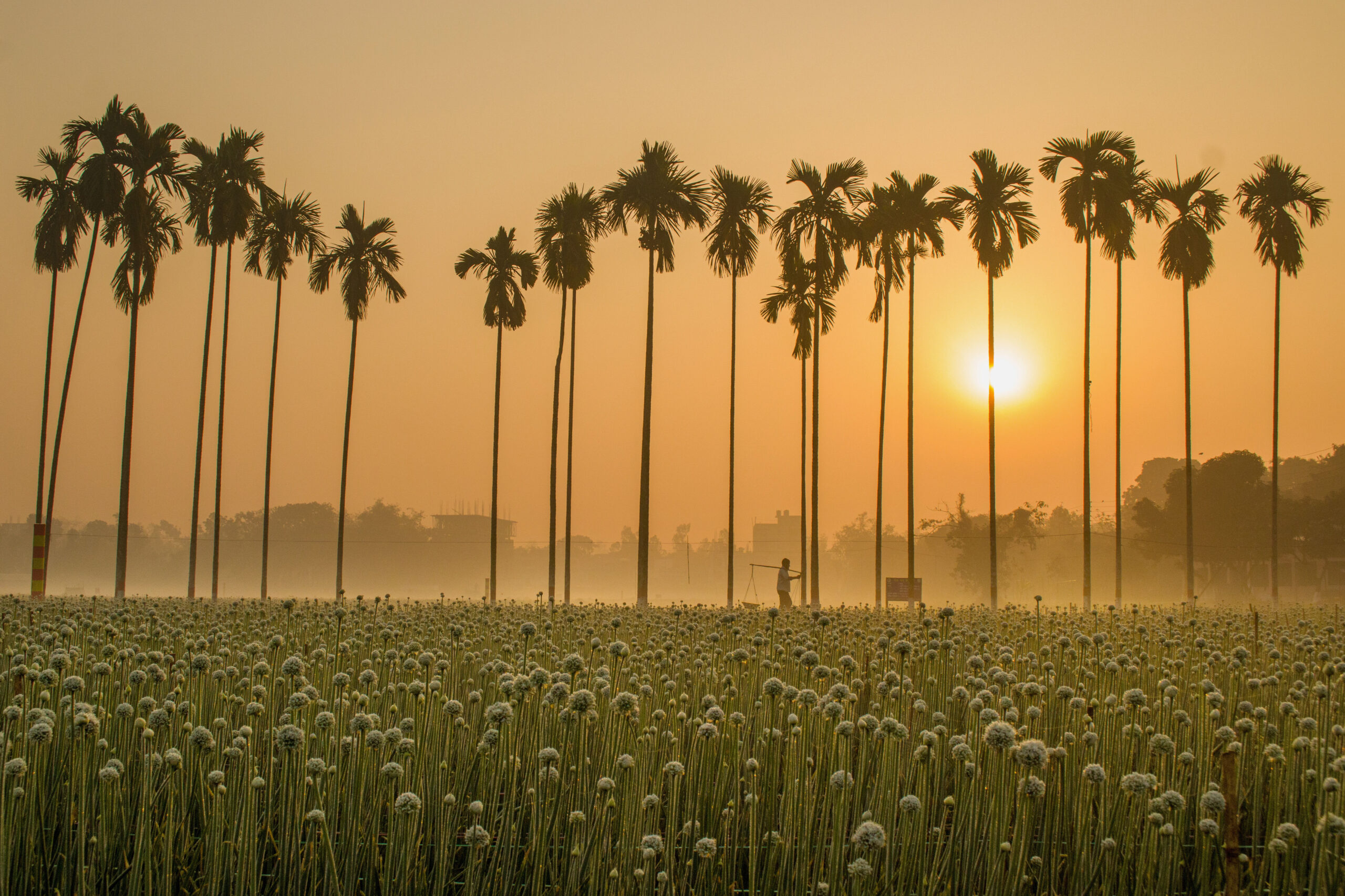
The hour after sunrise and before sunset creates warm and soft lighting.
Blue Hour
The blue hour creates peaceful and dreamy tones.
Weather Conditions
Clouds, rain, fog, and storms can add mood and drama to landscapes.
Camera Settings for Landscape Photography
Aperture
Landscape photographers usually use smaller apertures like f/8 to f/16 for maximum sharpness.
ISO
Keep ISO low for clean and detailed images.
Shutter Speed
Long exposures can create smooth water and dramatic cloud movement.
Composition Techniques
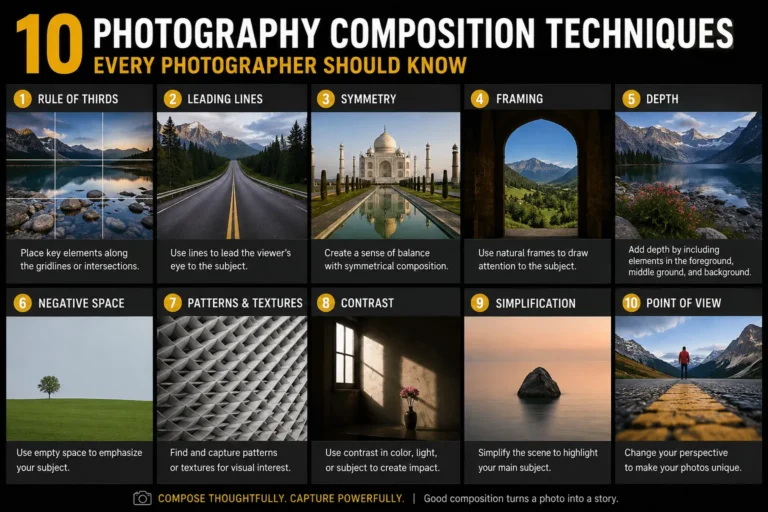
Rule of Thirds
Place the horizon strategically instead of in the center.
Leading Lines
Roads, rivers, and pathways guide the viewer through the image.
Foreground Interest
Adding rocks, flowers, or trees creates depth.
Symmetry and Reflection
Reflections in lakes or water bodies create balance and beauty.
Essential Equipment
- Wide-angle lens
- Tripod
- ND filters
- Polarizing filter
Patience in Landscape Photography
Sometimes photographers wait hours for the perfect light or weather conditions. Patience is often the difference between an average photograph and a stunning masterpiece.
Final Thoughts
Landscape photography teaches us to slow down and appreciate the beauty of the world around us. It is a combination of creativity, patience, and observation.